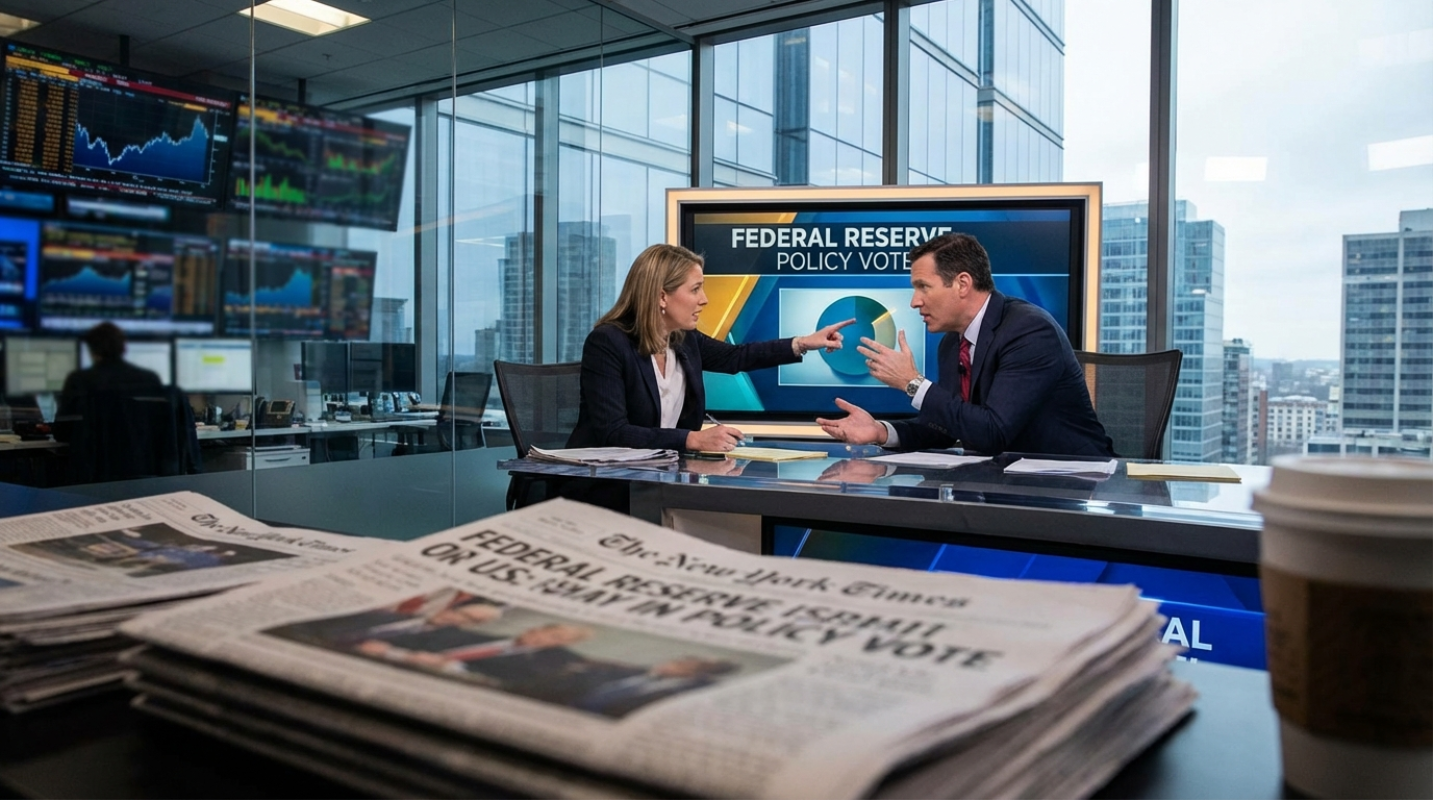
You have probably felt the weight of high interest rates every time you checked your credit card statement or looked at a mortgage calculator over the last few years. It has been a long, cold winter for your wallet. For 14 straight months, the Federal Reserve kept interest rates locked at a 23-year high, creating a period known as the great freeze. As we look back from 2026, the tension leading up to the September 2024 policy vote remains one of the most debated moments in modern economic history. The central conflict was simple but high-stakes. Should the Fed keep the freeze in place to finish off inflation, or should they finally pivot to save the job market? This decision is guided by the Fed's dual mandate, which is their version of a balancing act. They have to keep prices stable while making sure as many people as possible have jobs. When those two goals start pulling in opposite directions, things get messy.
The Case for Holding Steady
A lot of people in the "wait and see" camp argued that moving too soon was the biggest risk of all. Think of it like a chef who has already salted the soup. You have to wait for the flavors to meld before you decide if it needs more. The Fed had already raised rates significantly, and many economists believed we hadn't seen the full effect of those hikes yet.
The data at the time gave them plenty of reasons to be cautious. Although the Consumer Price Index had dropped to 2.5%, core inflation stayed sticky at 3.2%. This suggested that while gas and groceries were stabilizing, the underlying cost of living was still rising faster than the Fed liked.
Prominent voices like Larry Summers warned that the economy was still running too hot. He argued that the "neutral" rate - the interest rate that neither helps nor hurts the economy - was actually higher than everyone thought. If the Fed cut rates while the economy was still strong, they risked letting inflation spiral out of control again.
The Hawk's Argument for Tightening
Even within the Fed, not everyone was ready to celebrate. The "hawks" on the committee were worried about the parts of the economy that just wouldn't cool down. Services inflation and wage growth were still high, which usually means prices stay elevated for longer.
These experts suggested that the current rates weren't actually restrictive enough. They worried that by pausing or cutting, the Fed would fall behind the curve. If inflation started to tick back up, the central bank would have to pivot back to hikes, which would be a nightmare for market stability.
This wasn't just theoretical talk. During the historic September vote, Governor Michelle Bowman did something that hadn't happened since 2005. She issued a formal dissent. She wanted a smaller, more cautious move because she believed inflation was still the primary enemy.
The Dove's Plea for Growth and Stability
On the other side of the aisle, the "doves" were pointing at flashing red lights in the labor market. Although inflation was coming down, the "freeze" was starting to crack the foundation of the economy. Small businesses were struggling to get loans, and consumer debt was hitting record levels.
The most shocking evidence came from the job market revisions. In August 2024, it was revealed that job growth had been overestimated by nearly a million positions over the previous year.² That is not just a statistical error. It was a sign that the high-interest rate environment was cooling the economy much faster than the official numbers showed.
Doves argued that if the Fed didn't act quickly, it would trigger a recession that didn't need to happen. They saw the labor market as a fragile thing that, once broken, is very hard to fix. For them, the risk of people losing their livelihoods was far greater than the risk of inflation staying at 3% instead of 2%.
Market Reactions and the Path Forward
When the vote finally happened, the Fed didn't just dip a toe in the water. They jumped into the deep end with a "jumbo" 50-basis-point cut.² This move ended the 14-month freeze and signaled that the Fed was now more worried about your job than the price of a gallon of milk.
So what does this actually mean for you today? The markets reacted with a mix of relief and nerves. Stocks often jump when rates fall, but a big 50-point move can sometimes signal that the Fed is worried about a hidden problem. It's the financial equivalent of a doctor prescribing a stronger dose of medicine than you expected.
The most important thing to watch wasn't just the number, but the forward guidance from the Fed Chair. The "dot plot" projections showed that the freeze was officially over, and a "thaw" had begun. This shift in priority from inflation to recession risk has defined the financial space we are navigating now in 2026.
Top Recommendations
If you are looking to handle the changing interest rate environment, here are a few ways to stay ahead of the curve.
- High-Yield Savings Accounts: Lock in rates now before they drop further.
- Debt Refinancing: Keep an eye on mortgage and auto loan rates for a chance to lower your monthly payments.
- Diversified Index Funds: Maintain a balanced portfolio to weather the volatility that often follows Fed pivots.
The debate over that 2024 freeze reminds us that the Fed doesn't have a crystal ball. They are making the best guesses they can with the data they have. Whether you are a hawk or a dove, the reality is that interest rates will always be the most powerful tool - and the most unpredictable one - in the economic toolkit.
This article on thriftier.co is for informational and educational purposes only. Readers are encouraged to consult qualified professionals and verify details with official sources before making decisions. This content does not constitute professional advice.